
Please ensure Javascript is enabled for purposes of website accessibility
Skip to Content
Herniated Discs and Spinal Decompression

Understanding Herniated Discs and How Spinal Decompression Can Help

dr. andrew teran headshot

Herniated discs, also known as slipped or bulging discs, can be incredibly painful and debilitating. These conditions occur when the soft, gel-like center of a spinal disc pushes through a crack in the tough exterior. The result is often pressure on nearby nerves, leading to pain, weakness, and numbness.

What Are Herniated Discs?

Herniated discs can happen anywhere along the spine but are most common in the lower back (lumbar) and neck (cervical) regions. They can be caused by various factors, including age-related degeneration, sudden trauma, or repetitive stress on the spine.

The Role of Spinal Decompression Therapy

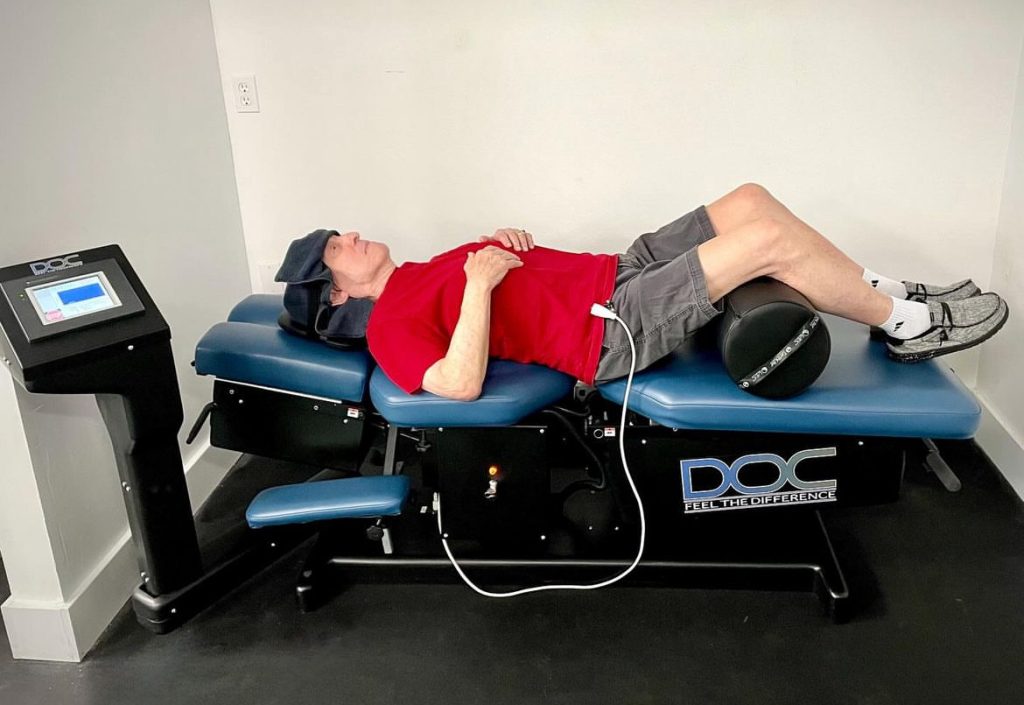
One effective non-surgical treatment option for herniated discs is spinal decompression therapy. This therapy involves the use of a specialized table or device that gently stretches the spine. The goal is to create negative pressure within the discs, which can help retract herniated or bulging material, reduce inflammation, and promote the flow of essential nutrients to the affected area.

Benefits of Spinal Decompression for Herniated Discs

  1. Non-Invasive Approach: One of the significant advantages of spinal decompression therapy is that it's non-invasive. Unlike surgery, which carries risks and a more extended recovery period, spinal decompression is a non-surgical, outpatient procedure that typically doesn't require anesthesia.
  2. Pain Relief: Patients suffering from herniated discs often experience severe pain. Spinal decompression aims to alleviate this pain by reducing the pressure on the nerves affected by the herniated disc. Many patients report immediate relief after just a few sessions.
  3. Minimal Side Effects: Compared to surgery, spinal decompression therapy has minimal side effects. Some patients may experience mild soreness or discomfort after a session, but this is generally short-lived and far less severe than post-operative pain.
  4. Avoiding Surgery: For many individuals, the fear of surgery or concerns about its risks and downtime are significant deterrents. Spinal decompression offers a viable alternative that can help patients avoid surgery altogether, making it an attractive option for many.
  5. Improved Quality of Life: Pain from a herniated disc can significantly impact an individual's quality of life, making everyday activities difficult or impossible. By addressing the underlying issue and reducing pain, spinal decompression therapy can help patients regain their mobility and enjoy a higher quality of life.

Is Spinal Decompression Right for You?

While spinal decompression therapy has numerous benefits, it's essential to consult with a healthcare professional to determine if it's the right treatment for your specific condition. Factors such as the severity of the herniation, your overall health, and any contraindications will play a role in this decision.

In conclusion, spinal decompression therapy is a non-invasive and effective treatment option for herniated discs. It can provide significant relief from pain and discomfort, minimize the need for surgery, and improve an individual's overall quality of life.


If you enjoyed this article, check out these other articles about Articles:
What to Do After a Car Accident in Florida

Contact Us

Thank you for considering Connected Movement as your partner on your journey to enhanced well-being. We look forward to hearing from you and helping you achieve your goals.