

Sports injuries are an unfortunate but common reality for athletes of all levels. Whether you're a weekend warrior or a professional athlete, injuries can sideline you for weeks or even months, interrupting your progress and causing frustration. One of the most effective ways to minimize the risk of sports injuries is by focusing on proper body mechanics. Understanding and practicing correct movement patterns not only enhances performance but also reduces strain on the body, helping prevent injuries.
Body mechanics refers to the way you move during various physical activities, ensuring that your muscles, joints, and bones are all working in harmony. When your body operates with proper alignment, it reduces undue stress on certain muscles or joints, preventing overuse and wear-and-tear injuries.
Key elements of good body mechanics include:
Understanding these elements can significantly reduce your risk of injuries like sprains, strains, and even chronic conditions such as tendinitis.
Many sports injuries are a direct result of poor body mechanics. Here are some common injuries caused by improper movement:
By correcting improper movement patterns, athletes can reduce the risk of these injuries.
Improving your body mechanics requires a combination of strength, flexibility, and body awareness. Here are some tips to help you move more effectively and safely during your workouts or sports activities:
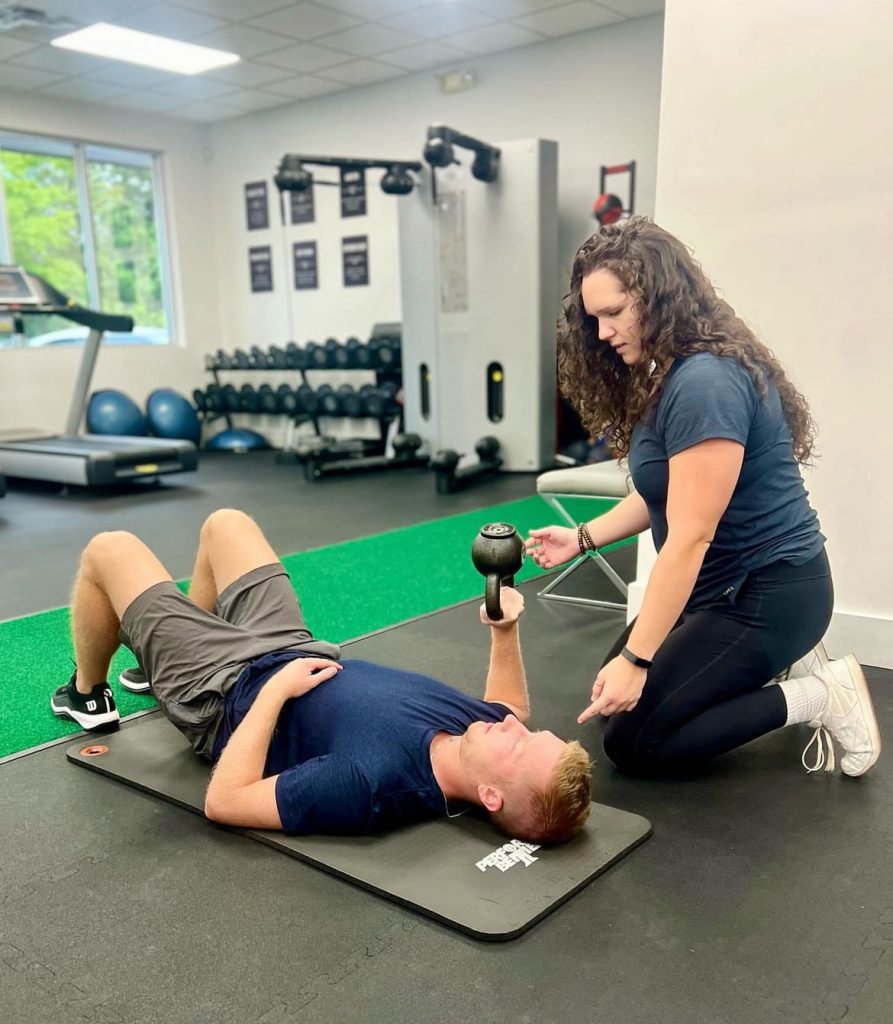
Working with a therapist is a great way to learn proper body mechanics specific to your sport. A professional can evaluate your form, identify potential areas of weakness or imbalance, and recommend corrective exercises. This personalized approach can significantly reduce your injury risk.
Preventing sports injuries isn’t just about being cautious—it’s about being proactive. By focusing on proper body mechanics, you can enhance your athletic performance and minimize your risk of injury. Remember that injury prevention starts with awareness: maintaining good posture, working on your core strength, and listening to your body can make all the difference. Prioritize good form, stay mindful of your movements, and enjoy a long, injury-free sports career.
Thank you for considering Connected Movement as your partner on your journey to enhanced well-being. We look forward to hearing from you and helping you achieve your goals.